

How Traditional Advertising Can Help Promote Your Business
In today’s digital-first world, it’s easy to assume that online channels are the only path to growth. Yet traditional advertising—think TV, radio, print, billboards, and direct mail—still plays a powerful role in broadening reach, building trust, and driving measurable outcomes for many businesses. Here’s why incorporating traditional strategies can boost your marketing mix.
- Broad, targeted reach
Traditional media often delivers mass exposure that digital ads can struggle to replicate. A well-placed TV spot during a popular program, a strategic radio
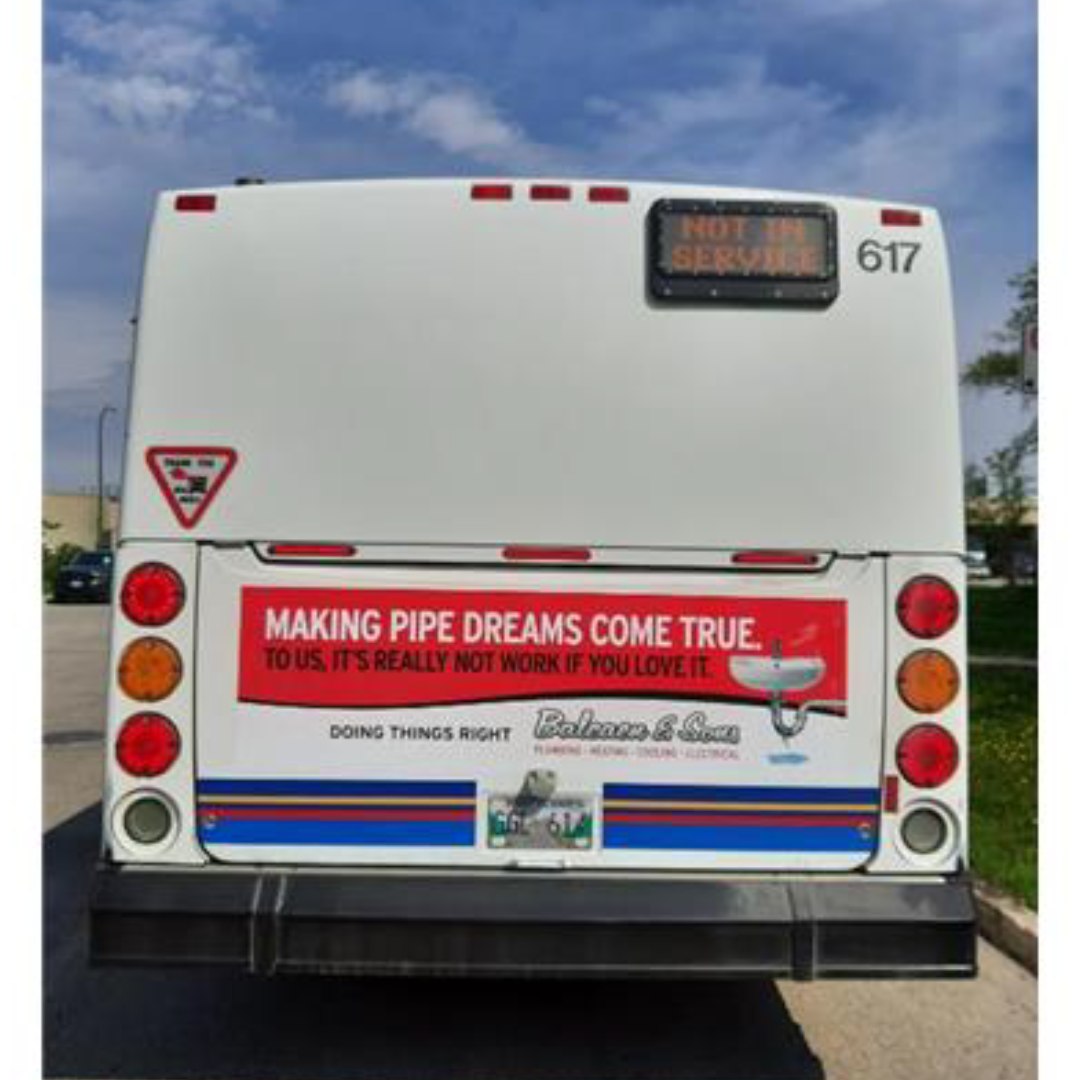
campaign during commute hours, or a targeted print ad in a trade publication can reach audiences who may not be online at the same time. For local businesses, billboards and local newspapers can be especially effective for fostering community awareness and brand familiarity.
- Enhanced credibility and trust
Well-produced television and print ads carry a perception of legitimacy. People may perceive messages appearing in established outlets as more trustworthy than some online placements. Consistent branding across traditional channels helps reinforce your business identity and builds consumer confidence, especially when paired with strong creative and a clear value proposition.
- Complementing digital efforts
Traditional and digital advertising don’t have to be mutually exclusive. In fact, they can be highly synergistic. Traditional campaigns can drive immediate actions that digital channels can track and optimize, and vice versa:
Cross-promotion: Use TV or radio to promote your online content, like a limited-time promo code or a landing page.
Profile lift: Bold outdoor or print ads can boost search interest and social media engagement, creating a flywheel effect.
Omni-channel measurement:** Track impact through unique offers, QR codes, vanity URLs, or phone numbers to attribute offline activity to online results.
- Local market penetration
For local businesses, geolocation and local targeting are often more straightforward with traditional media. Local radio spots during peak commute times, neighborhood newspapers, and community event sponsorships can generate foot traffic and in-store visits. A consistent local presence helps you become the brand people think of when they need your product or service.
- Memorable creative and storytelling
A powerful TV or print campaign can tell a story in a way that brief online ads may not. High-quality visuals, compelling copy, and emotive storytelling create memorable impressions that linger beyond the moment of exposure. This emotional connection can translate into stronger brand recall when customers are ready to buy.
- Long-term brand equity
Traditional advertising often contributes to long-term brand equity. Repetition across trusted channels fosters familiarity, which over time can reduce price sensitivity and increase loyalty. A steady drumbeat of messaging helps you stay top-of-mind when purchase triggers arise.
Best practices to maximize impact
Know your audience: Choose channels that align with your target demographics and purchase behavior.
Set clear objectives: Whether it’s awareness, consideration, or a direct response, define success metrics from the outset.
Creative that stands out: Invest in high-quality production, clear value propositions, and consistent branding.
Integrate with digital: Use complementary offers, trackable codes, and unified messaging across channels.
Measure and optimize: Monitor results, test variations, and reallocate budget to the most effective placements.
Final thoughts
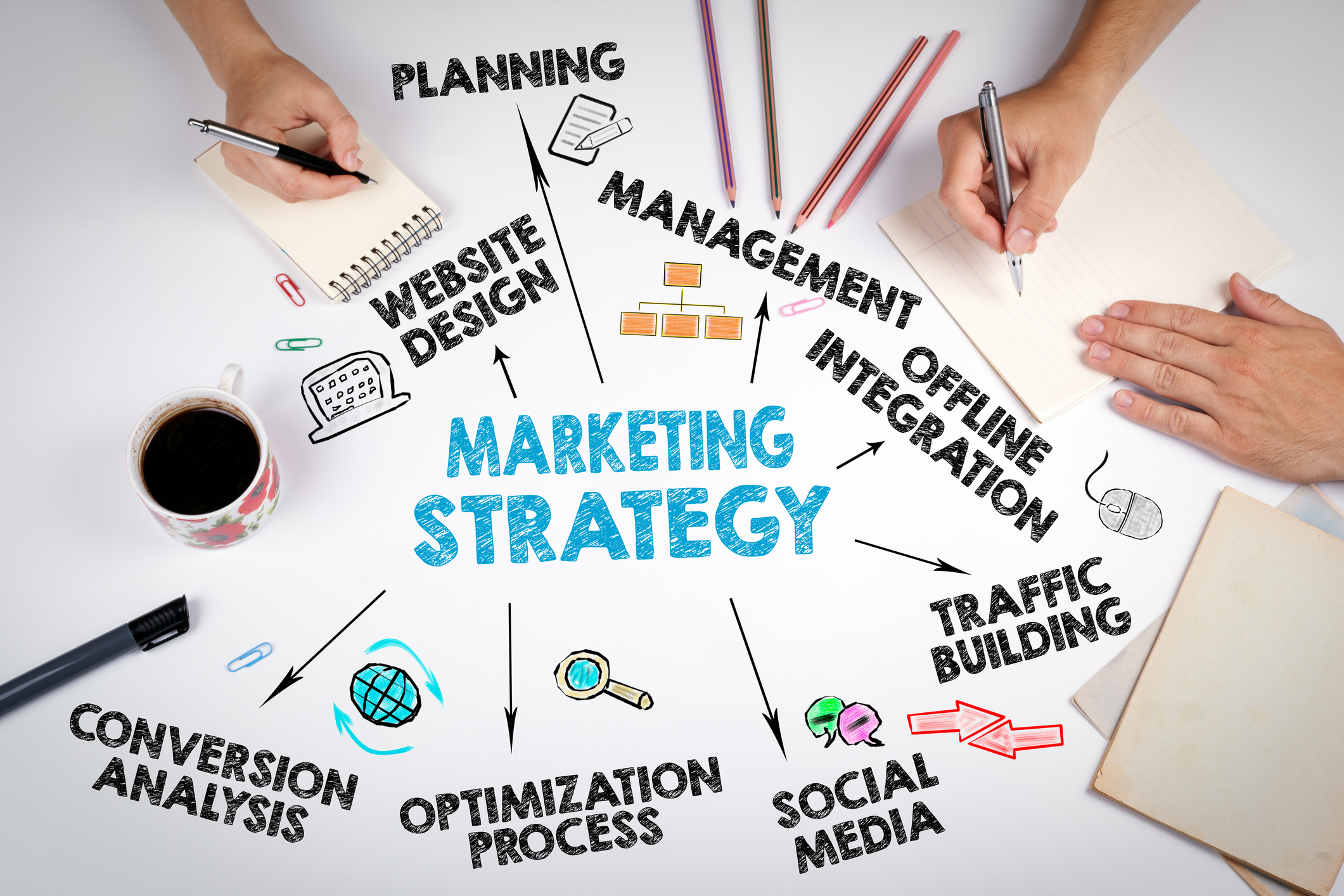
Traditional advertising remains a valuable tool for many businesses, especially when used thoughtfully within a diversified marketing strategy. By combining broad reach, credibility, local relevance, and compelling storytelling with your digital efforts, you can create a robust, integrated approach that accelerates growth and strengthens your brand over time.
If you’d like, we can tailor a traditional-ad plan for your specific industry, target market, and budget, including channel recommendations, and a measurement framework.